AI drafting can produce material for a clinical course, but a draft does not decide what an institution is prepared to teach. Governance begins by distinguishing the creation of content from the authority to approve it. Without that distinction, comments, revisions and release decisions can become difficult to interpret.
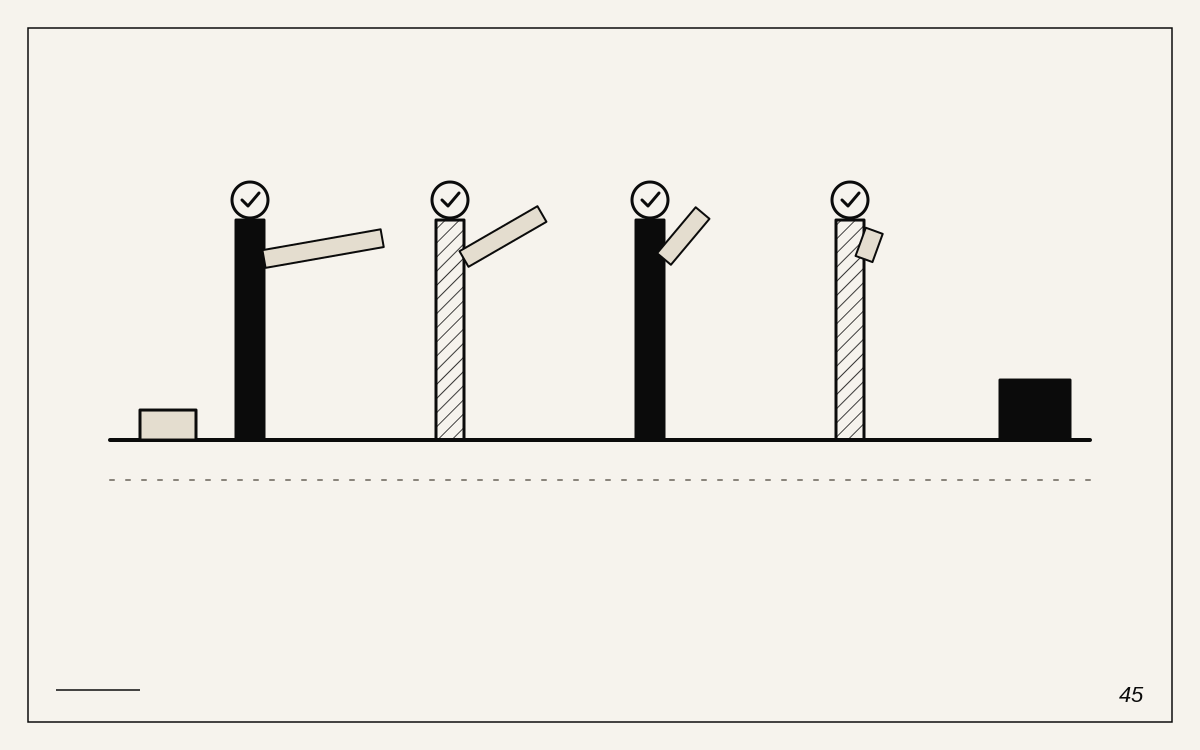
Perceptors is an applied AI in healthcare education company. Its course workflow uses four stages, each with a human approval gate: intake and evidence, course construction, quality and review, and release and maintain. Nothing publishes on its own. Institutions should use those gates to make responsibility and the meaning of approval clear.
Define what each reviewer is approving
A request to “review the course” can conceal several different tasks. Someone may be checking factual interpretation, another person the learning sequence, and another the institution's permission to release. A single approval should not be assumed to answer all of those questions.
Write a short review remit for each role. State the materials to inspect, the decision to make and how concerns should be recorded. Where one person holds several roles, distinguish the decisions anyway. This makes it possible to tell whether a course has received clinical scrutiny, editorial review and an authorised release decision.
Name the subject lead and programme editor
The subject lead helps define the course's educational purpose and evidence boundaries. That person should be able to explain what belongs in the curriculum, which sources are appropriate and where a specialist judgement is still needed.
The programme editor turns those decisions into a coherent learning experience. That includes structure, consistency, explanations and the relationship between modules and assessments. Editing is not permission to change clinical meaning without review. A useful collaboration makes changes visible so the subject lead can see when a seemingly small wording choice affects an important qualification.
Separate clinical review from release authority
The clinical reviewer examines the interpretation of evidence, the appropriateness of examples and the boundaries of educational explanations. Review should include assessment rationales and learner-facing feedback, not only the principal lesson text.
The programme owner is responsible for the release decision within the institution's agreed arrangements. That role considers whether the required reviews are complete and whether unresolved concerns prevent release. The owner should not have to infer readiness from the absence of new comments. A clear decision record is preferable to an assumption that everyone would have objected if something were wrong.
Gate one: intake and evidence
At intake, reviewers should agree the audience, intended learning outcomes, source collection and scope exclusions. Identify documents whose status is uncertain and questions that need an institutional answer. This is the point to discover that a presentation is outdated or that two sources express different positions.
Approval at this gate means the team has an agreed basis for construction. It does not mean every future explanation is already acceptable. Keep the approved source set identifiable so later review can distinguish a drafting error from a genuine change in the evidence the institution wants to teach.
Gate two: course construction
During construction, inspect how the agreed material becomes modules, examples and learning activities. Ask whether the structure supports the audience and outcomes. Check that important qualifications survive as content is shortened, reorganised or explained in simpler language.
The platform overview describes the course-building setting, but the institution still needs to define its own approval responsibility. A useful construction decision records the version reviewed and any conditions attached to acceptance. “Proceed after revising the assessment rationale” should remain visibly different from an unconditional decision that the work can move forward.
Gate three: quality and review
Review the assembled course as a learner will encounter it. Examine lesson text, source references, assessment items, feedback and the learner Guide's use of approved sources. If languages differ, ensure the review includes the meaning of each learner-facing version rather than assuming translation preserves every distinction.
Resolve concerns rather than counting comments
A closed comment should correspond to an intelligible resolution. Record whether the team changed the content, retained it with a reason or referred the question to another reviewer. The goal is not a clean comment panel at any cost. It is a course whose unresolved issues are known to the people making the release decision.
Gate four: release and maintain
Release approval should identify the actual version being released and the people whose decisions support it. Separate that decision from suggestions for later improvement. Learners should not encounter an unreviewed revision merely because a draft was saved after a previously approved release.
Maintenance also needs an owner. A source update, a learner question or a new institutional requirement can justify another review cycle. Agree how proposed changes will be assessed and who decides whether they affect existing explanations or assessments. The same distinction between drafting and approval should apply after launch.
Keep a decision trail that answers questions
An audit trail is useful when it helps a programme team reconstruct what happened. At minimum, the institution should be able to identify the reviewed version, the relevant sources, the reviewer's role, the issue raised and the resulting decision.
Do not assume that a particular retention period, export arrangement or institutional control is included without discussing it. The governance guide can support that conversation. Treat the required decision record as a review requirement to agree, rather than inventing contractual assurances from the appearance of an activity list.
Distinguish process evidence from educational outcomes
A documented approval process can show how a course was reviewed. It does not establish that learners achieved a clinical outcome, or that a programme holds an external recognition status. These are different claims and need different evidence.
Use the evidence resource to keep that distinction visible in institutional discussions. Then begin with a practical governance plan: named reviewers, defined gates, identifiable versions and a release owner. That makes human oversight an operational responsibility rather than a general statement that people remain involved.
Sources and further reading
Educational planning guidance from the Perceptors team. Programme eligibility and review requirements must be confirmed for the proposed course.